


Blog
Rocker Switch Common Failures & Troubleshooting Tips

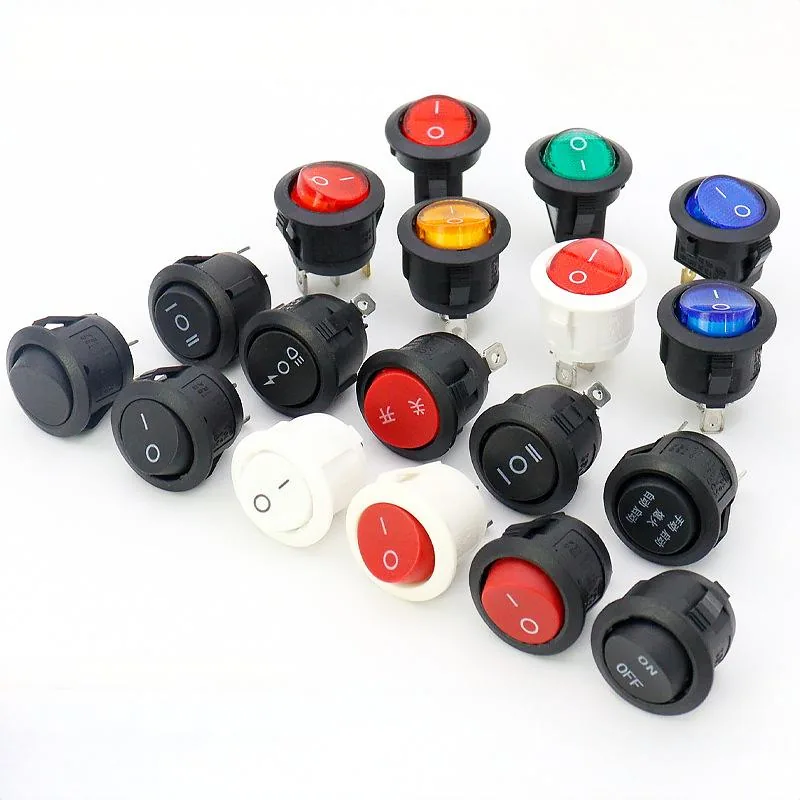
Learn common rocker‑switch failures, root causes and practical troubleshooting tips for industrial, household and OEM applications.
Rocker switches are widely used in household appliances, industrial equipment, truck accessories and various electronic devices. Though simple‑looking, these components can develop various failures after long‑term use, improper operation or harsh working‑environment exposure. Understanding typical faults will help you judge whether repair or replacement is needed, and extend the service life of your equipment.
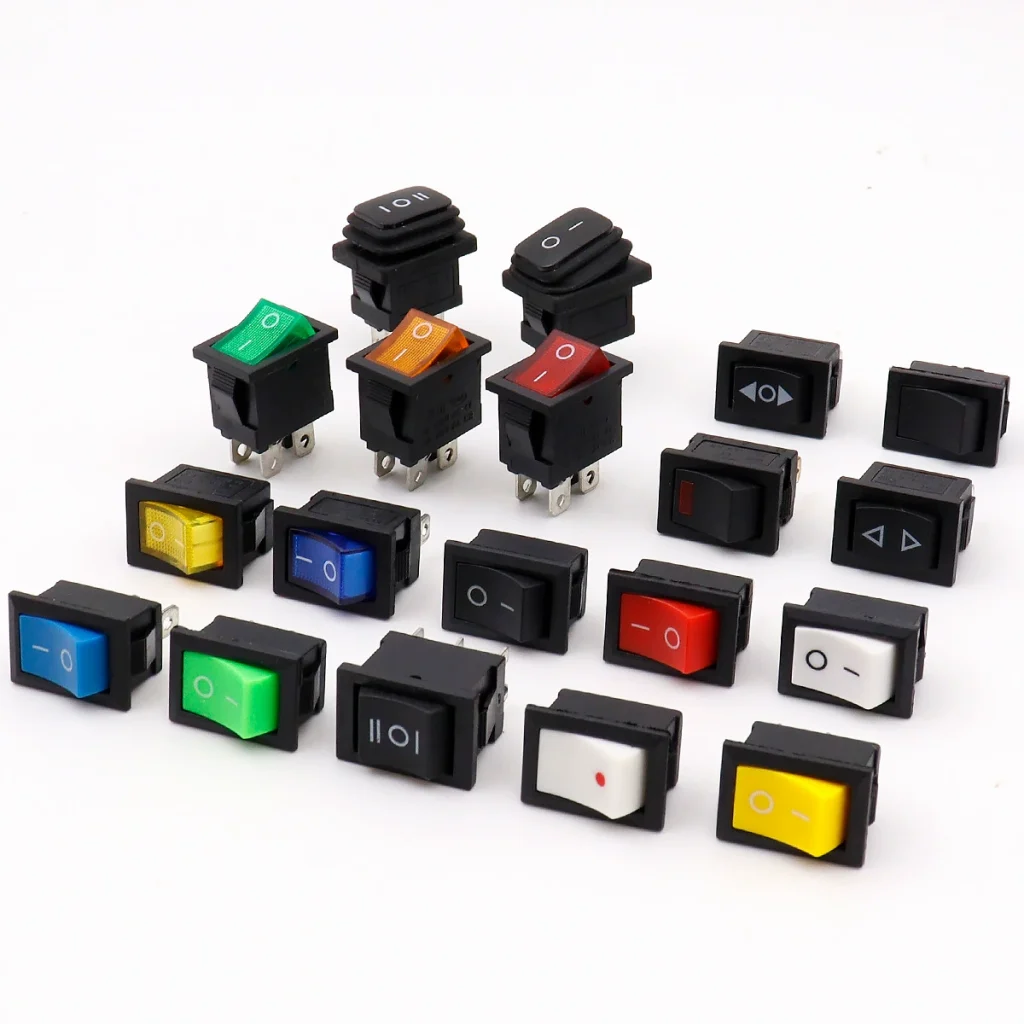
Loose or wobbly actuator
The rocker lever becomes loose, wobbly and cannot stay firmly in ON or OFF position.
Common causes:
‑Long‑term frequent pressing leads to internal plastic bracket wear.
‑Excessive external force or wrong installation causes internal buckle fracture.
‑High‑temperature environment accelerates plastic aging.
Troubleshooting:
If plastic parts are worn or broken, repair is hardly possible. Directly replace the rocker switch. Avoid applying violent force during installation and daily operation.
Poor contact, intermittent power‑on
Devices sometimes fail to start, or power cuts on and off randomly when shaking the switch.
Common causes:
‑Metal contact points are oxidized or covered with dust and oil dirt.
‑Current overload burns internal contact pieces.
‑Internal spring‑metal shrapnel gets fatigue and loses elasticity.
Troubleshooting:
For slight dust pollution, you can try several rapid switch toggles to polish contacts. If the problem persists, the internal contacts are already damaged. Replacement is required. Never continue using switches with poor contact, which may cause overheating risk.
No conduction, completely no power output
No power transmission no matter ON/OFF position.
Common causes:
‑Severe over‑current burns and melts internal metal contacts.
‑Welding terminals fall off due to bad soldering or vibration.
‑Internal circuit burnout caused by short‑circuit accident.
Troubleshooting:
Check whether the external wire terminals are loose or desoldered. If wiring is fine, the switch itself is damaged and must be replaced. Do not attempt to repair burnt‑out switches.
Stuck rocker, cannot toggle smoothly
The rocker lever gets stuck, hard to flip between ON and OFF.
Common causes:
‑Dust, debris, water or oil enter into switch housing.
‑Plastic deformation under high‑temperature working conditions.
‑Internal mechanical parts jammed.
Troubleshooting:
For light dirt contamination, clean external dust. If foreign matters enter inside or plastic is deformed, replace the unit. Do not pour liquid cleaning agents directly onto switches.
Overheating and burning smell during operation
The switch housing gets hot, accompanied by burning odor.
Common causes:
‑Selected switch rated current is lower than actual working load.
‑Loose wiring terminals create high contact resistance.
‑Long‑term overload operation.
Troubleshooting:
Stop using it immediately. Check your load current and wire connection. Choose rocker switches with sufficient current rating for your projects.
Preventive suggestions
1. Select switches with correct voltage and current ratings according to real‑world load, never overload.
2. For damp, dusty or vibrating equipment, choose waterproof or dust‑proof rocker‑switch versions.
3. Avoid violent pressing or knocking during installation and usage.
4. Regularly check terminals for loose welding or wiring.
Even high‑quality rocker switches have limited mechanical service life. When internal metal or plastic structures are damaged, replacement is always safer than makeshift repair. For bulk‑order OEM buyers, reliable suppliers can provide stable‑quality switches with complete certification support.